
























construction method
architectural technology
Energy-Saving Business
system
vibration
control
construction method
construction method
related
technology


Vibration control construction method
This method converts tremors of earthquake into heat energy and suppress shake of buildings.
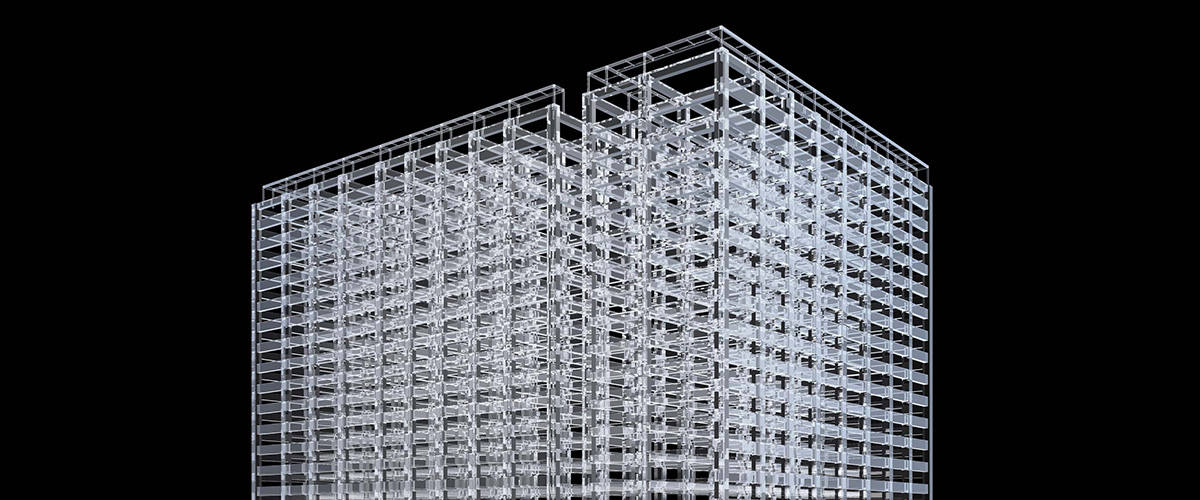
Outline of the
Construction Method
Seismic response control systems reduce the impact of earthquakes by absorbing seismic energy within a building and minimizing stress on the structural frame.
Seismic dampers installed in the building absorb vibration energy, thereby reducing the forces transmitted throughout the structure. These dampers utilize materials such as steel, fluid, and rubber, converting seismic energy into heat energy through deformation, viscous action, and friction.
Applicable to a wide range of ground conditions and without significant impact on construction schedules, seismic response control systems provide an effective means of mitigating earthquake-induced vibrations.
Characteristics of the
construction method
Seismic response control systems are designed to withstand not only a major earthquake but also aftershocks and moderate seismic events, providing reliable performance against repeated vibrations.
By absorbing and reducing building motion, these systems help minimize damage to the structural frame as well as interior and exterior finishes, and reduce the risk of furniture overturning and other earthquake-related damage.
This system can be incorporated into not only newly built main structures but also materials used for reinforcing or finishing existing buildings. It can be widely applied to low-rise buildings to super high-rise buildings.
Our Works
-
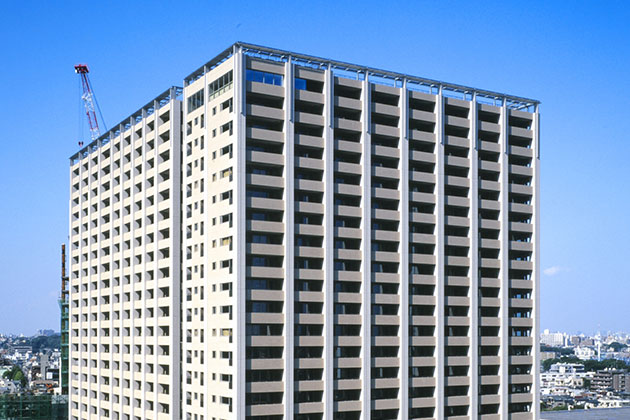
- Name
- Shinmaruko Higashi Area Development Plan
- Location
- Kawasaki City, Kanagawa Prefecture
- Construction period
- July 2005 to September 2007
- Designer
- Jukankyo Keikaku
- Building size
- Hi-RC 24 floors above ground, Gross floor area 45,954m2